Multiplying Fractions With Same Denominator
Multiplying Fractions With Same Denominator. When multiplying polynomial expression and if there is a sign differ in both a numerator and denominator. Here are steps given below.
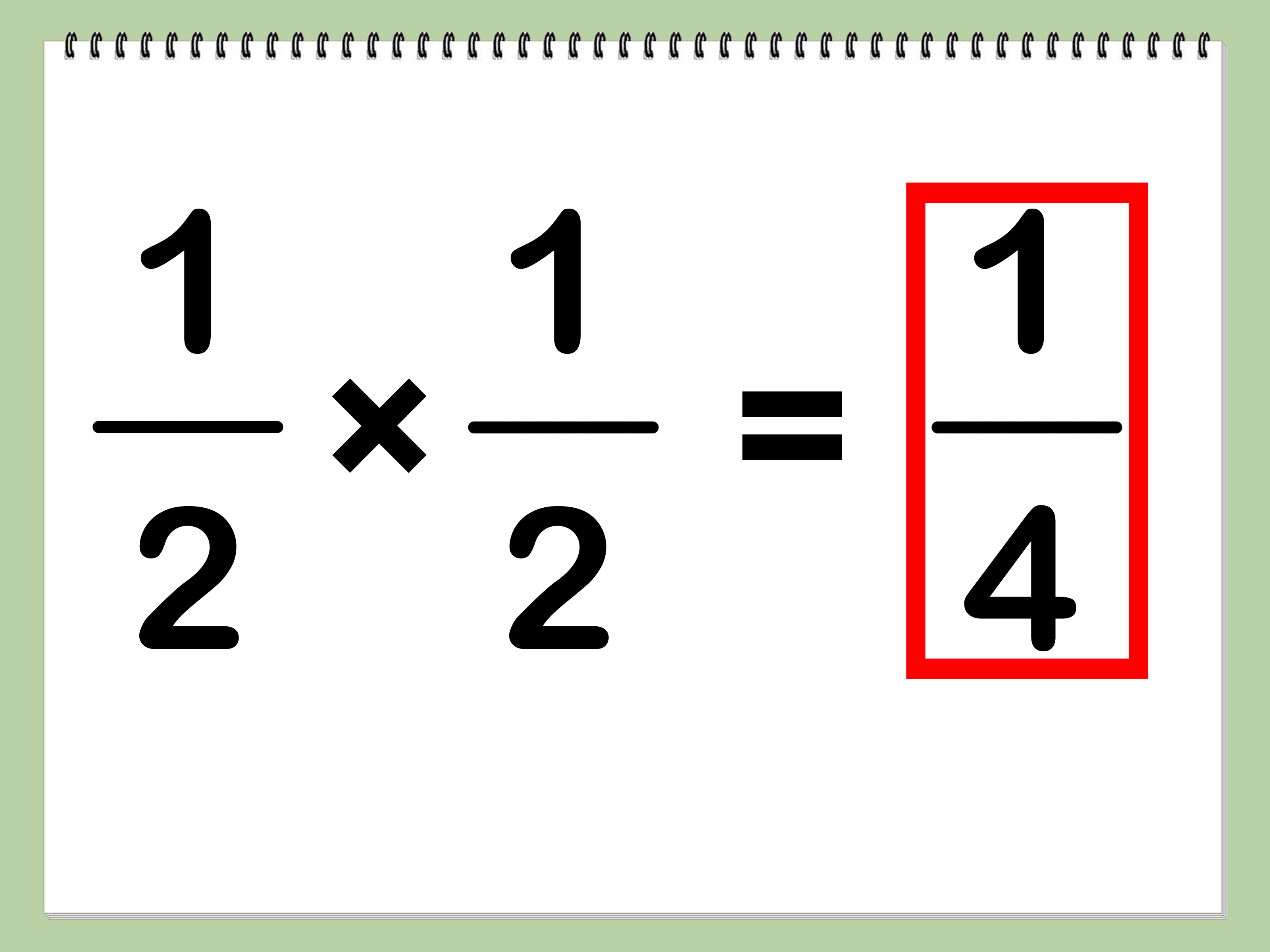
(4*1) + 3 = 7. The product of numerators is 3 and product. First multiply the numerators, then multiply the denominators, and then fraction is reduced in its lowest form.
8 12 1 5 × = 10.
Boost your child's understanding of fractions with this game. Therefore, equivalent fractions can be created by multiplying (or dividing) the numerator and denominator by the same number. Look at the following points to be kept in mind while multiplying mixed fractions.
(5*7) + 1 = 36.
6 8 3 12 × = 2. When multiplying fractions, simply multiply the numerator (top number) then multiply the denominator (bottom number) and reduce to its lowest term if needed. Multiplying fractions is not like the addition or subtraction of fractions, where the denominators of both the fractions should be the same.
Do Common Denominators Make Fraction Multiplication Easier?
Order fractions with same denominator. For 7 and 1/5, multiply the denominator by the whole number (5*7) and add that answer to the current numerator (1). These worksheets are pdf files.
It Doesn’t Matter If These Numbers Are The Same Or Different In The Problem.
1 3 2 6 × = 13. Here are steps given below. First multiply the numerators, then multiply the denominators, and then fraction is reduced in its lowest form.
Therefore You Have To Change All Mixed Numbers To.
2 7 7 9 × = 5. Multiply the numerators, 3 x 1 = 3. Our answer, 8/5, can't be simplified any further as an improper fraction (where the numerator is larger than the denominator), but it can be converted into a mixed number.